Bending Space-Time with Personal Ways of Knowing: A Playful Introduction to the Liberatory Potential of Postformal Theory and Methodology
Type:
Short Course
Category:
Online
Place:
Online 6
Date and time:
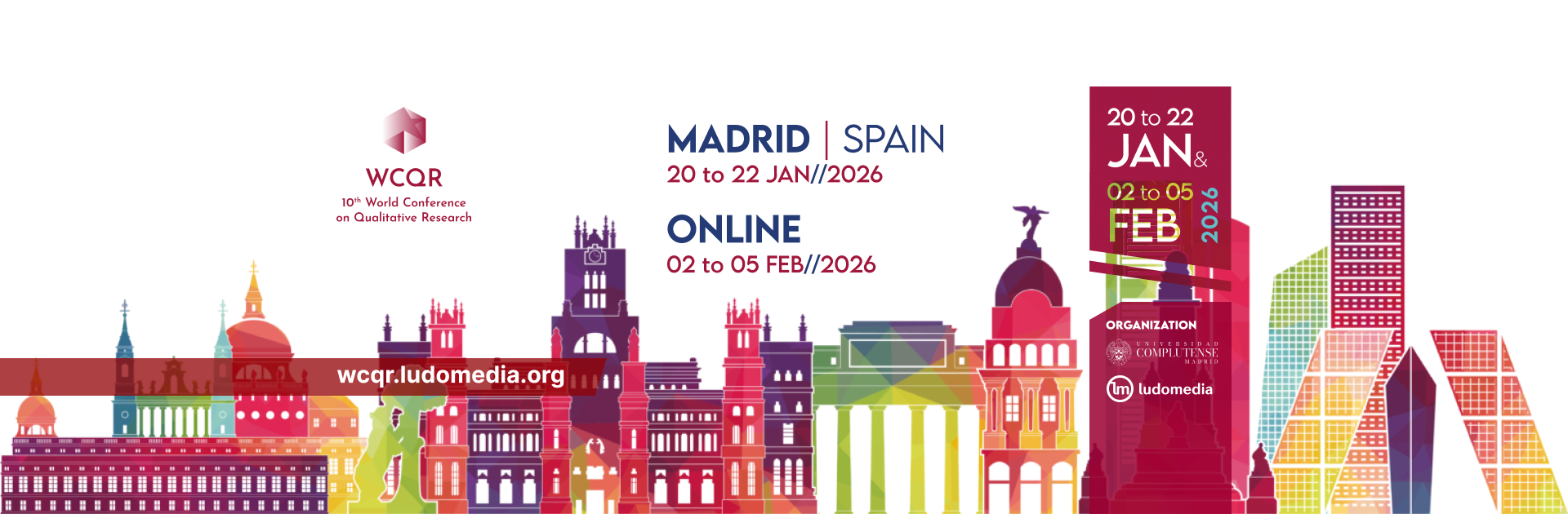
13:00 to 16:00 on 02/02/2026
WCQR2026 Training Day
Please note: Attendance at the Training Day is not included in the WCQR2026 conference registration and requires separate enrollment. Please visit WCQR2026 Training Day - WCQR
This short course introduces postformal theory and methodology as a counterbalance to the linearity, reductionism, and rigidity of neopositivist social science research. Postformal thinking seeks out complexity and difference, giving rise to further questions about humanity and the social world to home in on and make sense of entangled issues that may reproduce social inequality. Grounded in critical, postmodern and feminist theories and in conversation with Indigenous knowledges, postformal research traces the workings of power by examining people and phenomena across different space-times, challenging researchers to think in more complex ways to better understand humanity and the many threads that bind people together through systems of power. As a methodology, postformalism encourages researchers to take a multi-dimensional, transdisciplinary approach to theory and method because tracing connections across diverse human experiences requires traversing boundaries of disciplines, institutions, cultures, geographies, natural and man-made environments, and time periods. Participants in this session will be introduced to the origins and current understandings of postformal thinking and methodology. They will then be provided with examples of postformal research projects that illuminate how personal ways of knowing and traversing different space-times can yield novel insights into well-trodden research pathways. Finally, participants will engage in hands-on activities to explore the postformal potential of their own research and generate personal ways of knowing by crafting unique metaphorical frameworks to organize complex, multi-disciplinary, and analytical ideas.
Content
This short course will introduce the philosophical and theoretical grounding of postformal research. Participants will learn about postformalism’s origins in relation to cognitive psychology and positivist epistemology and be provided with parallel and alternative ways of thinking about research methods in social science research. The facilitators will introduce the five constructs of postformalism: etymology, context, pattern, process and humility and demonstrate how these constructs inform and reframe aspects of qualitative research including, questions, purpose, data collection, analysis and ethics. Facilitators will share examples of postformal research projects to demonstrate how researchers’ and participants’ personal ways of knowing conjoin to inform research approaches that have the ability to bend space-time and can emerge authentically in relation to the lives of the researcher and participants.
This short course will be appealing to researchers who are interested in incorporating novel combinations of innovative qualitative methods (e.g., arts based, visual, participatory, experiential) and analytical frameworks (theoretical, artistic, literary, popular culture, metaphorical) into their research toolkits. Participants will be provided with supplemental readings and resources and hands-on engagement with postformal thinking and applications through creative activities. Whether participants choose to immerse in postformalism as an overarching methodology for their research or they wish to just wade at the edges and explore postformalism as a way to better understand their own researcher epistemology, this session will be a place where participants can challenge their thinking, have fun playing with new ideas, and expand the boundaries of what they believe is possible and knowable through social science research
Structure
- Opening Activity: Expanding Ways of Knowing Across Space-Time
The short course begins with a playful activity designed to foster expansive thinking about the self, other, and world. Participants will engage in reflective exercises that push beyond traditional research paradigms by considering how personal, historical, social, and cultural contexts inform their understanding across different space-times. This activity introduces the concept of “bending space-time” in research and sets the stage for exploring how personal ways of knowing can yield novel insights pushing beyond well-trodden research pathways.
- Conceptual Framing: The Evolution and Foundations of Postformal Thinking
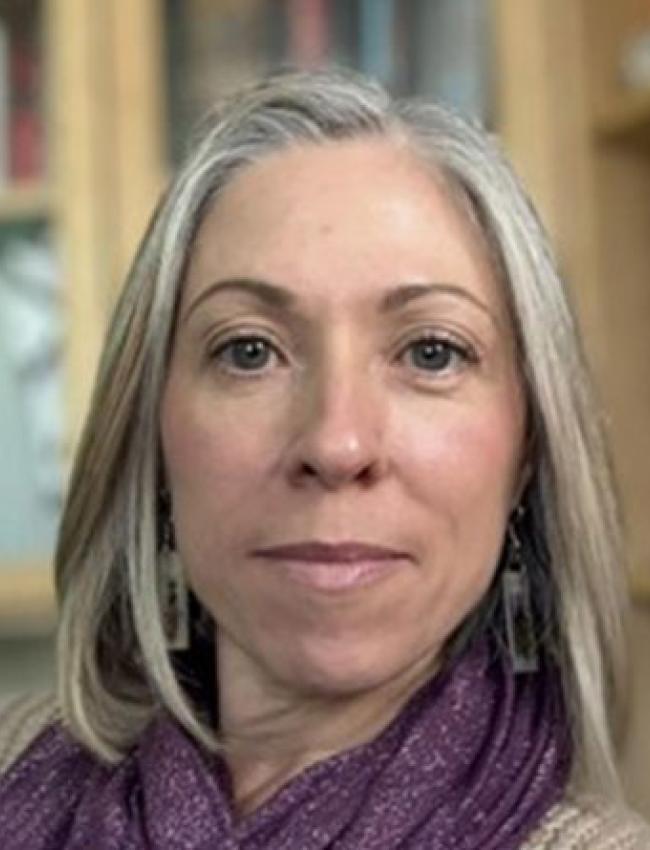
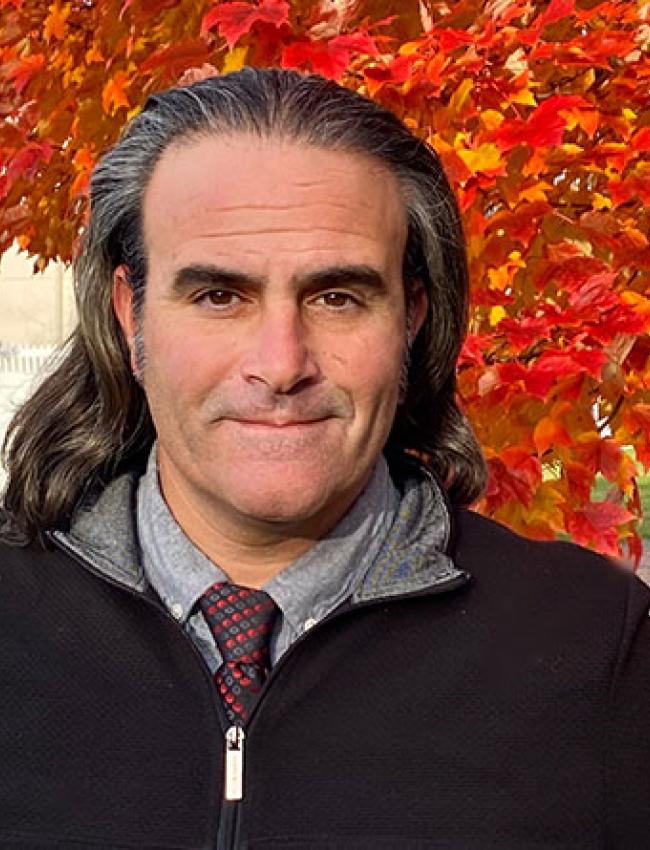
Facilitators will present the philosophical and theoretical grounding of postformal research, tracing its origins from Jan Sinnott’s cognitive psychology through the transformative work of Joe Kincheloe and Shirley Steinberg, to contemporary methodological developments by Tricia Kress and Robert Lake.
- Activity Revisited: Personal Ways of Knowing as Research Assets
Returning to the opening activity with the added conceptual understanding, attendees will critically examine their own particularity and positionality within the web of human experience through the lens of postformal constructs of context, pattern, process, etymology and humility. This reflective process helps attendees recognize how their perspectives, experiences, and social locations (and that of their research participants) can serve as valuable research assets that enable them to traverse different space-times and uncover connections across diverse human experiences.
- Methodological Exemplars: Postformal Research Projects in Action
Facilitators will present diverse examples of postformal research studies that demonstrate how researchers’ and participants’ personal ways of knowing conjoin to inform research approaches that have the ability to expand research horizons and bend space-time. These exemplars will showcase the rich variety of approaches available within postformal research, including:
- Arts-based methodologies
- Experiential frameworks
- Co-creative approaches
- Participatory methods
- Multi-dimensional analytical frameworks
- Creative Application: Crafting Metaphorical Frameworks and Exploring Postformal Potential
The workshop culminates in hands-on activities where participants explore the postformal potential of their own research and generate personal ways of knowing by crafting unique metaphorical frameworks to organize complex, multi-disciplinary, and analytical ideas. Attendees will be encouraged to:
- Creatively reimagine their current or proposed research topics through postformal lenses
- Experiment with transdisciplinary methodological approaches that traverse boundaries
- Push the boundaries of traditional research methods to trace power connections
- Explore how postformal frameworks might reveal entangled issues and social inequalities
- Develop metaphorical frameworks that capture the complexity of their research interests
- Consider how their research might “bend space-time” to uncover novel insights
This collaborative segment emphasizes playful exploration and creative engagement with postformal concepts while maintaining connection to participants’ scholarly work.
- Peer Review and Sharing: Innovative Discoveries and Collective Insights
The session culminates with an opportunity for attendees to share their innovative discoveries from the creative application activities. This collaborative segment will include:
- Sharing Innovative Discoveries
- Collective Questioning
- Personal Insights and Breakthroughs
- Peer Feedback
- Resource Sharing
This final segment fosters a supportive community of practice and highlights the importance of supportive, collaborative, co-creative research design.
Goals
Postformal thinking asks researchers to step out of their research training and try out thought experiments that may take them into unfamiliar and sometimes uncomfortable conceptual and methodological territory. The goal of this workshop is to introduce postformal thinking and methods and provide a space for participants to experiment with new ideas, and be creative with their research selves in the company of postformal practitioners in a supportive group.
![[object Object]](https://static.galoa.com.br/file/Eventmanager-Private/styles/attendee_dashboard_logo/s3/eventmanager_event/logo/%E2%98%81%EF%B8%8F%20Logo_51.png?VersionId=4_z9e083e414507696175f50716_f10572c8f0c34d33f_d20250319_m153055_c003_v0312026_t0010_u01742398255726&itok=SgtvIXpm "[object Object]")